
Mobile Phones Info: An In-Depth Exploration of Today’s Essential Device
Few inventions have changed our world more fundamentally than the mobile phone. From its humble beginnings as a tool for simple voice communication, the mobile phone has evolved into the indispensable smart phone—a powerful device that fits in your pocket but holds the capacity to run businesses, connect individuals across continents, and empower people with knowledge. This article will take you on a journey through the rich landscape of mobile phones, exploring their history, technology, functionality, impacts on society, and the latest trends shaping the future.
The Evolution of Mobile Phones
The history of mobile phones dates back to the early 1970s. Martin Cooper, an engineer at Motorola, made the world’s first cellular call on April 3, 1973, marking the beginning of a communication revolution. These early cell phones were enormous by today’s standards—often compared in size to a brick. Battery life was short, coverage was limited, and calling was expensive. Nevertheless, the concept had been proven: communication could be untethered.
The 1990s saw significant improvements. The introduction of the second generation (2G) digital cellular networks paved the way for features like SMS text messaging, which exploded in popularity. Phones became smaller, lighter, and more affordable. By the early 2000s, color screens, polyphonic ringtones, and rudimentary cameras began to appear.
The watershed moment, however, came in 2007 when Apple launched the iPhone and ushered in the era of smart phones. “The most significant invention since the personal computer,” as Steve Jobs once said, refers succinctly to how transformative this device would be. With an intuitive touchscreen, mobile internet browsing, and the debut of app stores, smart phones became multipurpose devices, challenging and often replacing cameras, GPS devices, and even computers.
Key Features of Modern Mobile Phones
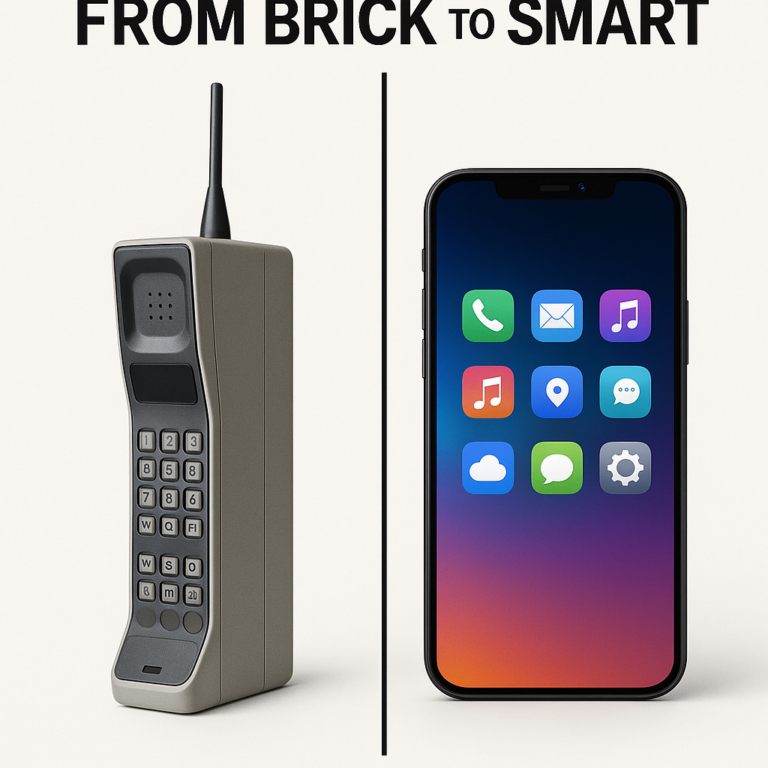
Today, the line between cell phones and smart phones has almost vanished. While ‘cell phones’ once described any mobile device capable of voice calls and texts, the majority of devices sold today are smart phones: fully featured, internet-connected, touch-controlled computers that happen also to make calls.
Some of the key features defining modern mobile phones include:
– **High-Resolution Cameras:** Innovations in camera technology have turned smart phones into powerful photography tools. Flagship devices now sport multiple lenses, advanced image stabilization, computational photography features, and 4K or even 8K video recording.
– **Touchscreen Displays:** Large, vivid screens are central to the mobile experience. AMOLED and OLED panels deliver stunning color and deep blacks, while refresh rates of 90Hz or 120Hz make interaction smoother.
– **Processing Power:** Today’s smart phones are equipped with processors that rival some laptops in performance. These tiny chips handle gaming, AI, video editing, and more, all while managing battery consumption.
– **Operating Systems:** iOS and Android dominate the mobile landscape, each offering millions of apps. iOS is exclusive to Apple devices, while Android powers phones from Samsung, Google, Xiaomi, and many others.
– **Connectivity:** 5G is the latest generation of cellular data technology, offering faster speeds, lower latency, and new possibilities for mobile usage—like seamless video streaming and cloud gaming.
– **Biometrics and Security:** Fingerprint scanners, facial recognition, and even iris scanning keep phones secure while providing convenient unlocking methods.
– **Batteries and Charging:** Fast-charging technology, wireless charging, and power-saving modes ensure users can get through a full day’s use—and recharge quickly when needed.
How Mobile Phones Impact Society
The proliferation of smart phones has had profound effects on almost every aspect of society. From how we communicate to how we consume news, entertainment, and services, these devices are deeply woven into daily life.
– **Communication:** Cell phones have replaced landlines as the primary means of voice communication. Messaging apps enable instant contact worldwide, bridging distances and breaking language barriers with real-time translation.
– **Access to Information:** According to Pew Research, more than 80% of adults in advanced economies own smart phones—a testament to their ubiquity. For many in developing countries, mobile phones are often the first and only access point to the internet, opening doors to education, employment, and e-commerce.
– **Productivity and Business:** “Mobile phones have transformed the way we live and work—the world’s information is now at your fingertips,” remarks Sundar Pichai, CEO of Google. Tools like calendars, cloud drives, emails, video conferences, and collaborative apps empower professionals to work from anywhere.
– **Safety and Security:** Emergency alerts, GPS location sharing, and access to real-time news are essential features, facilitating greater personal safety and situational awareness.
– **Social Interaction:** Social media platforms thrive on the mobile experience, keeping friends and families connected regardless of distance.
Challenges and Concerns of Mobile Phone Use
Despite their benefits, widespread use of smart phones brings new concerns and challenges. Among the most notable are:
– **Privacy:** The risk of data breaches, location tracking, and unauthorized app permissions has sparked ongoing debates about digital privacy.
– **Addiction and Mental Health:** Excessive screen time and social media use have been linked to anxiety, depression, and decreased attention spans, especially among young users.
– **Digital Divide:** Not everyone has equal access to the latest smart phone technology or high-speed networks, creating disparities in connectivity and opportunity.
– **Environmental Impact:** The manufacturing, usage, and eventual disposal of billions of devices place strain on natural resources and contribute to electronic waste.
– **Scams and Security Threats:** As phones become more sophisticated, so do cybercriminals—phishing, malware, and scam calls are persistent threats.
Latest Trends and Innovations in Mobile Phones
The pace of innovation in mobile phones shows no sign of slowing. Some of the most exciting trends and breakthroughs of recent years include:
– **Foldable and Flexible Displays:** Companies like Samsung and Huawei have introduced phones with screens that fold, roll, or expand, offering larger displays without sacrificing portability.
– **AI-Powered Features:** Artificial intelligence now powers cameras, voice assistants, predictive text, translation, and even system optimization for smoother, smarter operation.
– **Battery Technology:** Researchers and manufacturers are exploring new materials and technologies to extend battery life, enable faster charging, and reduce environmental impact.
– **Augmented and Virtual Reality:** Smart phones are increasingly being used as AR and VR platforms, blending digital information with the real world for gaming, education, and shopping.
– **Focus on Sustainability:** More brands are adopting eco-friendly practices, using recycled materials, reducing packaging, and designing phones for longer use and easier recycling.
Smart Phones and the Future
Peering into the future, it’s clear that smart phones will continue to shape how we live, work, and communicate. They could become even more central with the growth of the Internet of Things (IoT), making them universal remote controls for our homes, cars, and cities.
Virtual assistants may become ever more capable, anticipating needs, automating tasks, and providing personalized services. As 5G spreads and 6G emerges, speeds and connectivity will redefine what’s possible, enabling new applications in telemedicine, smart cities, autonomous vehicles, and beyond.
“Mobile phones are no longer just communication tools; they are the remote controls of our lives,” said the renowned futurist Amy Webb.
Choosing the Right Mobile Phone
For consumers, the abundance of options can be overwhelming. Some key considerations when choosing a mobile phone include:
– **Budget:** From affordable entry-level models to high-end flagships, there’s a device for every wallet.
– **Ecosystem:** Consider how your phone fits with other devices—laptops, tablets, smart watches—which can be streamlined by sticking within a single brand’s ecosystem.
– **Camera Quality:** For many, the phone is their only camera. Test photo and video performance before buying.
– **Software Experience:** Both iOS and Android have their strengths—choose based on your comfort and preferred features.
– **Longevity:** Check for update policies, battery replacement programs, and build quality to maximize the device’s usable lifespan.
Conclusion
Mobile phones, and especially smart phones, have evolved far beyond their original function as portable telephones. They are powerful computers, cameras, organizers, and lifelines—essential to modern existence. As technology continues to advance, the ways we use, interact with, and rely on mobile phones will only increase. Keeping informed on the latest trends, understanding both the benefits and challenges, and making mindful choices will ensure that these pervasive devices remain a positive force in our lives.
