
The Evolution of Mobile Phones: A Modern Marvel
Mobile phones have transformed from simple communication devices to essential tools that dominate daily life. The journey from early bulky cell phones to sleek, advanced smart phones tells the story of human innovation. This article delves into the fascinating world of mobile phones, their history, technological developments, and their profound impact on society.
The Dawn of Cell Phones: Humble Beginnings
The concept of wireless communication dates back to the late 19th century. But the first practical cell phones emerged much later, in the latter part of the 20th century. Dr. Martin Cooper, credited with inventing the first handheld mobile phone, made history in 1973 with a simple call in New York City. The initial device, Motorola DynaTAC 8000X, was notably large, weighing over 2 pounds and offering just 30 minutes of talk time after a 10-hour charge.
These early mobile phones primarily served business professionals. Their high cost and bulky design kept them out of reach for most people. Throughout the 1980s and 1990s, advancing technology led to the miniaturization and mass production of cell phones, gradually making them more accessible.
From Cell Phones to Smart Phones: A Technological Revolution
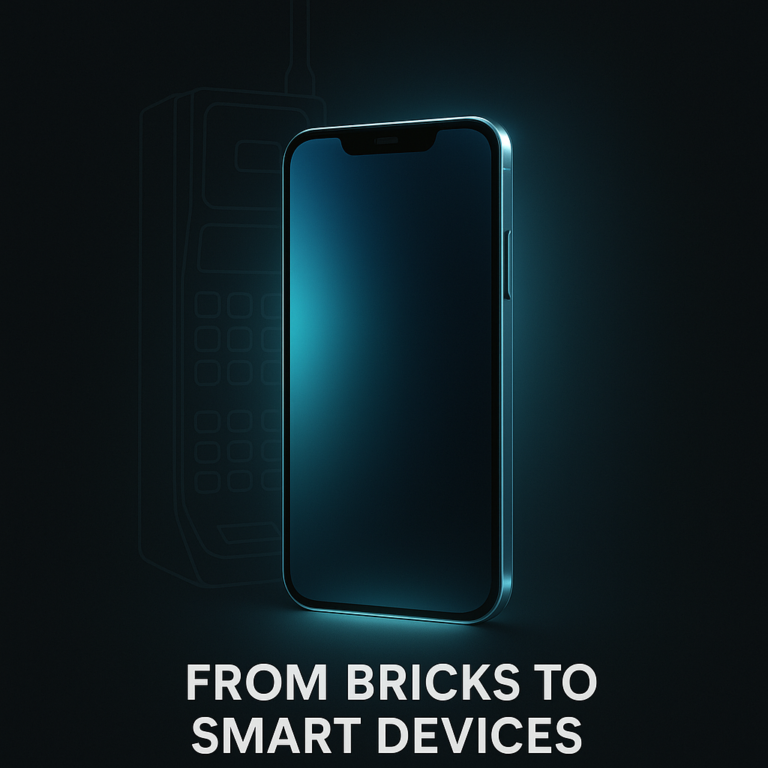
While the first generation (1G) cell phones only supported analog voice calls, subsequent generations brought dramatic changes. Digital technology (2G) in the 1990s introduced text messaging, making communication immediate and diverse. In 2000, Japan debuted the world’s first camera phone, an innovation that quickly swept across the globe.
The true turning point arrived with the advent of smart phones. The original IBM Simon Personal Communicator, launched in 1994, set the template by combining a cell phone with a touchscreen PDA (personal digital assistant). However, it was the Apple iPhone in 2007 that redefined consumer expectations, integrating a powerful operating system, intuitive touch interface, and access to a growing ecosystem of mobile apps.
Smart phones soon became ubiquitous, and the competition between brands like Samsung, Apple, Huawei, and Google spurred rapid technological changes. Today, these pocket-sized computers offer high-resolution cameras, augmented reality features, and seamless internet connectivity.
Hardware Advances: Small Size, Immense Power
The physical evolution of mobile phones tells its own story. Early cell phones featured large, monochrome displays and used physical buttons for dialing. As manufacturing techniques improved, phones became slimmer and lighter, and the iconic physical keyboard gradually gave way to large, vibrant touchscreens.
Modern smart phones pack powerful processors, sometimes rivalling laptops in computational capability. Advances in display technology have ushered in AMOLED and OLED screens, offering rich colors and deep contrasts. The integration of multiple cameras (wide, telephoto, macro) has turned mobile phones into photography powerhouses, while battery life continues to lengthen thanks to more efficient chips and battery technology.
Storage and memory capabilities also have leaped. Where once carrying hundreds of songs or photos was unthinkable, today’s smart phones often boast hundreds of gigabytes of storage, along with cloud integration for virtually limitless capacity.
The Software Revolution: Operating Systems and Apps
One of the most dramatic shifts in mobile phones has been the rise of sophisticated operating systems. Gone are the days of proprietary, limited-use firmware. Leading platforms like Apple’s iOS and Google’s Android offer user-friendly interfaces, regular updates, and robust security measures.
The role of apps cannot be underestimated. The launch of Apple’s App Store in 2008 and Google’s Play Store shortly thereafter, democratized software development. It gave rise to a vast ecosystem of applications for virtually every imaginable need: navigation, productivity, social networking, entertainment, health, and more. According to a Pew Research report, more than 90% of smart phone users regularly use apps for communication, information, and entertainment.
“Mobile apps have become the remote controls of our lives,” says Benedict Evans, a technology analyst. “They don’t just change what we use but what we do.”
Mobile Phones and Communication: A Paradigm Shift
Mobile phones have fundamentally altered human communication. No longer limited to voice calls, today’s users text, video chat, share images, and interact with social networks from a single device. Instant messaging applications such as WhatsApp, Telegram, and WeChat have connected billions globally, transcending borders and time zones.
This instant connectivity has profound implications. Families and friends stay closer, businesses can operate with agility, and communities can mobilize in times of need. During global events such as the COVID-19 pandemic, cell phones ensured continuity for education, work, and social interactions.
Beyond Communication: Mobile Phones as Everyday Tools
The evolution from cell phones to smart phones expanded their role far beyond communication. Mobile phones now serve as personal assistants, replacing wallets (through mobile payment systems like Apple Pay or Google Pay), cameras, health trackers, and even car keys in some cases. Features such as GPS navigation have made getting lost nearly impossible, and health apps monitor everything from heart rate to sleep quality.
Entertainment is another realm revolutionized by mobile phones. Streaming services, gaming platforms, and e-book readers are now part of the mobile experience. According to Statista, over 70% of digital media is consumed via mobile devices, illustrating their central role in modern entertainment.
The Global Impact of Mobile Phones
The worldwide reach of mobile phones is nothing short of astonishing. According to the International Telecommunication Union, global mobile phone subscriptions exceeded 8.6 billion as of 2023—a number larger than the human population, reflecting multi-device ownership.
This ubiquity has closing the digital divide in many regions. In rural areas, where landlines or broadband internet are scarce, mobile phones provide essential connectivity. They enable access to markets, financial inclusion through mobile banking, remote education, and real-time news.
Mobile phones have empowered marginalized communities, providing platforms for civic engagement, activism, and access to services in healthcare and education. In countries like Kenya, services such as M-Pesa have transformed the landscape of financial transactions, bringing banking to millions who previously had no access.
Concerns and Challenges in the Mobile Era
Despite their numerous benefits, mobile phones pose new challenges. Concerns about digital addiction, privacy, and data security have intensified. Smart phones constantly collect location, behavior, and biometric data—raising important discussions on user consent and data protection.
Moreover, the environmental impact of mobile phone production is substantial. Manufacturing components like batteries, screens, and processors requires rare earth elements and energy. E-waste management and recycling of obsolete cell phones are urgent global issues.
There are also social concerns: excessive screen time may affect mental health, especially among young people, and the blurring of work-life boundaries through constant connectivity can contribute to stress.
The Future of Mobile Phones: Beyond Imagination
Looking ahead, the evolution of mobile phones shows no sign of slowing. 5G technology is ushering in ultra-fast connectivity, enabling new applications in augmented reality (AR), virtual reality (VR), and the Internet of Things (IoT). Smart phones will increasingly serve as control centers for connected homes, cars, and cities.
Foldable screens and modular designs hint at new form factors, while advances in artificial intelligence (AI) promise smarter, more personalized user experiences. AI chatbots, voice assistants, and real-time language translation are only the beginning.
As Satya Nadella, CEO of Microsoft, aptly put it: “Mobile is not just a device, it’s a part of everything we do.”
Conclusion: The Indispensable Device
In a few decades, mobile phones have evolved from luxury items to essential everyday tools. They have reshaped communication, commerce, entertainment, and even the way we perceive the world. As smart phones grow ever more capable, they will continue to bridge divides, create opportunities, and connect humanity in ways once thought unimaginable. The story of mobile phones is far from over—in fact, it’s only just beginning.
