
The Evolution of Mobile Phones: From Basic Devices to Smart Companions
Mobile phones have dramatically transformed our daily lives, evolving from simple handheld devices used merely to make calls to sophisticated smart phones that can manage almost every aspect of modern living. While cell phones initially served a singular purpose – communication – their technological progression over the past four decades is a fascinating tale of innovation, competition, and societal change. Today, billions of people around the world rely on mobile phones, making them an integral part of human interaction, productivity, and entertainment.
Early Days: The Humble Beginnings of Cell Phones
The story of mobile phones began in the early 1970s when Motorola and Bell Labs were racing to create portable wireless communication devices. In 1973, Martin Cooper, an engineer at Motorola, made the world’s first public mobile phone call on a prototype device, famously calling his competitor at Bell Labs. These early cell phones were bulky, weighing over two pounds, and offered only 30 minutes of talk time after ten hours of charging.
Despite their limitations, the novelty and utility of cell phones quickly gained attention. In the 1980s, mobile phones became commercially available, but due to high costs and limited wireless coverage, they were considered luxury items reserved for business professionals and the affluent.
The Rise of the Feature Phone
As technology advanced, mobile phones gradually shrank in size and cost. The 1990s introduced the era of feature phones, so-called because of their added functionalities beyond voice calling. Nokia, Motorola, and Ericsson led the market with iconic models such as the Nokia 3310, which was renowned for its reliability and long battery life. Features like text messaging (SMS), phone directories, and basic games like Snake became standard, increasing the appeal of cell phones for everyday consumers.
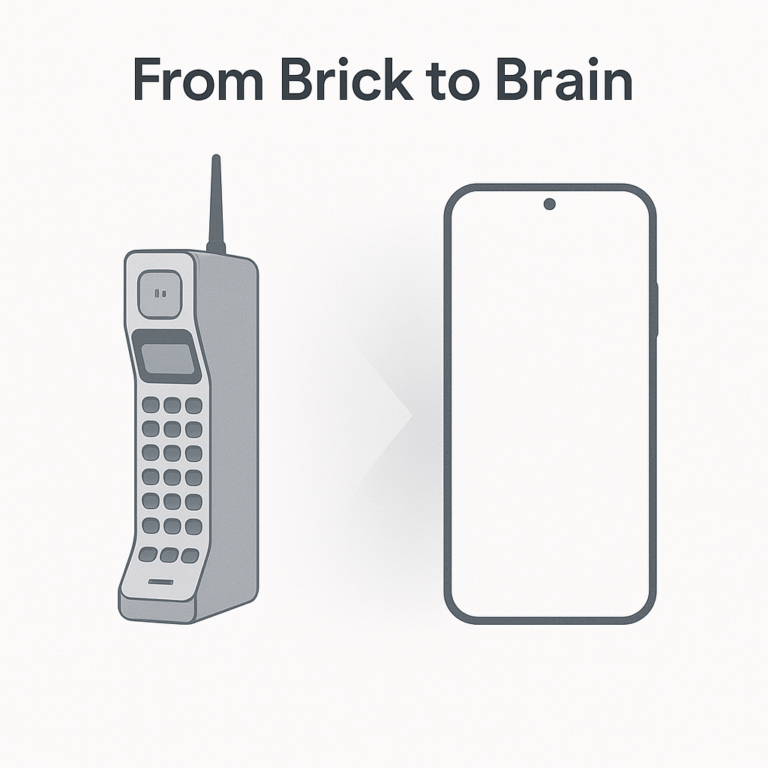
By the late 1990s, mobile phones started to adopt monochrome and, soon after, color displays. Basic cameras also made their debut, although the image quality was rudimentary by today’s standards. The design language shifted towards more compact and ergonomic shapes, with flip and slider phones becoming trendy.
The Smartphone Revolution
The 21st century marked the beginning of a seismic shift in mobile technology. The introduction of smart phones fundamentally changed what consumers expected from their devices. Unlike traditional mobile phones, smart phones offered advanced computing capabilities, internet connectivity, and support for third-party applications.
BlackBerry, Palm, and Nokia’s Symbian OS dominated the early smart phone market, with BlackBerry becoming especially popular within corporate environments for its secure email features. However, the launch of the Apple iPhone in 2007 redefined the industry. “The iPhone is a revolutionary and magical product that is literally five years ahead of any other mobile phone,” proclaimed Steve Jobs, co-founder of Apple. The iPhone’s multi-touch interface, App Store ecosystem, and intuitive design established new standards for smart phones and mobile phones as a whole.
Shortly after, Google introduced its Android operating system, offering an open-source alternative that rapidly attracted hardware manufacturers like Samsung, HTC, and LG. Android’s flexibility and broad device support fueled explosive growth in the smart phone segment, swiftly eroding the dominance of older platforms.
Functionalities That Reshaped Daily Life
Smart phones today are powerful mini-computers capable of handling tasks previously reserved for desktops and laptops. Some hallmark features that separate modern smart phones from earlier generations of cell phones include:
– High-resolution touchscreens that support HD video playback and gaming.
– Powerful cameras rivaling dedicated imaging devices with features like optical zoom, night mode, and 4K video recording.
– Advanced sensors such as accelerometers, gyroscopes, proximity sensors, and GPS modules for navigation, security, and health tracking.
– Access to millions of apps through ecosystems like Apple’s App Store and Google Play Store, enabling customization and expanded functionality for work, learning, entertainment, and socializing.
– Seamless connectivity through mobile data, Wi-Fi, Bluetooth, and near-field communication (NFC).
– Biometric authentication, such as fingerprint and face recognition, significantly enhancing device security.
Mobile phones also serve as valuable tools for productivity, with calendar management, email, document editing, and cloud integration essential for professionals and students alike. Social media, mobile banking, and instant messaging have made mobile phones truly indispensable in the modern world.
The Impact of Mobile Phones on Society
The widespread adoption of both cell phones and smart phones has had profound effects on global society. Mobile communication has bridged geographic divides, empowering people in remote areas with access to information and new economic opportunities. According to the International Telecommunication Union, over five billion people now use mobile phones, many of whom live in developing countries.
Mobile phones have been central to numerous societal shifts. For example, they have:
– Enabled real-time global communication, breaking down barriers and fostering collaboration.
– Played pivotal roles in social and political movements by facilitating rapid information sharing and organization.
– Revolutionized commerce through mobile payment systems and online marketplaces.
– Enhanced public health with telemedicine and health-tracking applications, particularly in underserved regions.
However, the ubiquity of mobile phones also brings challenges, including concerns over privacy, cybersecurity, digital addiction, and the digital divide between those with and without access.
Mobile Phones and the Environment
As the number of cell phones and smart phones in circulation grows, so does their environmental footprint. Manufacturing, distributing, and disposing of mobile phones generates electronic waste (e-waste) and carbon emissions. Many manufacturers, acknowledging their environmental responsibilities, have begun designing more sustainable devices, using recycled materials and improving energy efficiency. Innovations such as modular phones and trade-in programs are also encouraging consumers to think about the environmental impact of their choices.
Trends Shaping the Future of Mobile Phones
The mobile phone industry continues to evolve at a breathtaking pace. Futuristic innovations and ongoing research promise even more powerful devices and immersive experiences. Some of the most notable trends include:
– **Foldable and flexible displays:** Devices like the Samsung Galaxy Z Fold and Motorola Razr have demonstrated that smart phones are not confined to traditional shapes or sizes.
– **5G connectivity:** With the global rollout of 5G networks, mobile phones can now deliver ultra-fast internet speeds, low latency, and enhanced support for IoT devices.
– **Artificial intelligence:** AI features, from intelligent voice assistants to automated photography enhancements, are making smart phones even smarter.
– **Augmented reality (AR) and virtual reality (VR):** Advanced sensors and powerful GPUs now allow for immersive gaming, navigation, and educational experiences directly on mobile devices.
– **Sustainability:** An increasing focus on sustainable design and recyclability is shaping the way future mobile phones are conceived and manufactured.
Choosing the Right Mobile Phone
With so many options in the market, selecting the right mobile phone comes down to assessing individual needs and preferences. Some users prioritize camera quality, others value battery life, operating system preference, or access to specific apps and services. For many, budget is a significant factor, and the diversity of devices ensures there is a cell phone for every price point.
As the line between mobile phones and smart phones continues to blur, consumers should also consider factors like software update cycles, manufacturer reputation, and long-term support. With proper research, users can find a model that perfectly suits their lifestyle and aspirations.
Conclusion: An Indispensable Link to the Modern World
There is no denying that mobile phones, and particularly smart phones, have become one of the most important technological advancements in history. They are more than just tools for communication; they are companions, productivity aids, entertainment hubs, and gateways to the world’s knowledge. From their humble beginnings as bulky, expensive luxuries to their present status as essential, affordable everyday devices, mobile phones continue to evolve, shaping and reflecting the ever-changing needs and aspirations of humanity. The future promises even greater enhancements, making the journey of the mobile phone a story that is far from finished.
