
The Evolution of Mobile Phones: From Communication Devices to Smart Companions
Mobile phones have become inseparable from daily life, transforming from simple communication tools into complex, multifunctional devices. Over the past few decades, these gadgets have undergone technological revolutions, redesigning the way people connect, work, play, and view the world. In this deep dive on mobile phones, we’ll explore their history, technological progress, cultural impact, and future trends—painting a full picture of an industry that’s more dynamic than ever.
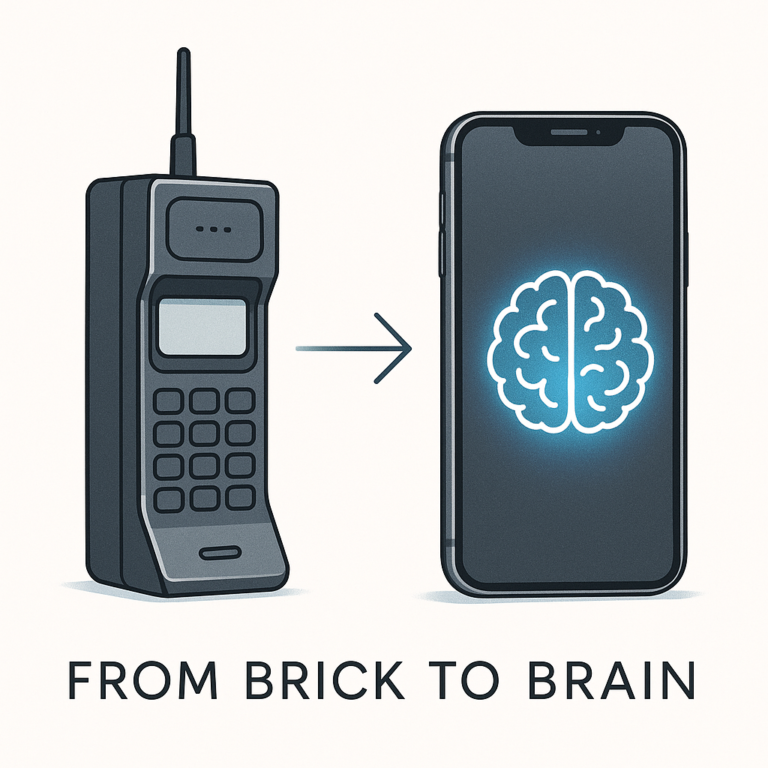
The Humble Beginnings: The History of Mobile Phones
The story of mobile phones began in the 1970s with bulky prototypes and analog technology. Martin Cooper, an engineer at Motorola, made the first handheld mobile phone call on April 3, 1973, famously calling a rival at Bell Labs to announce, “I’m calling you from a real cellular phone.” Early mobile phones were large, expensive, and had limited reach, aimed mostly at business professionals or emergency responders.
The 1980s and 1990s saw dramatic improvements. The Motorola DynaTAC, released in 1983, weighed almost two pounds and offered just 30 minutes of talk time. Despite these limitations, demand grew rapidly. As technology advanced, mobile phones became smaller, more affordable, and more widely accessible, driving a rapid increase in cell phone ownership.
The Rise of the Cell Phone: Making Communication Ubiquitous
By the turn of the millennium, mobile phones—colloquially known as cell phones in the United States—became omnipresent. A blend of declining costs, improved carrier infrastructure, and smaller, lighter handsets contributed to this boom. The debut of the SMS (Short Message Service) in the 1990s added a new dimension to mobile communication, enabling people to exchange instant written messages.
As cell phones evolved, they began to incorporate features beyond voice calls and texting. In the early 2000s, they acquired built-in cameras, simple games, internet access, and rudimentary applications. Popular devices such as the Nokia 3310 became cultural icons, praised for their durability, long battery life, and unmistakable ringtones.
The Smartphone Revolution: More than a Phone
The launch of the first Apple iPhone in 2007 marked a dramatic inflection point; the era of smart phones had arrived. Smart phones combined cellular connectivity with computing power, featuring large touchscreens, robust operating systems, and access to app stores. As Steve Jobs proclaimed at the iPhone’s unveiling, “Today, Apple is going to reinvent the phone.”
Other manufacturers such as Samsung, HTC, and Google rapidly followed suit, launching their own versions based on a variety of operating systems—most notably Android and iOS. These devices didn’t just compete in hardware specifications, but also in the ecosystems of applications, services, and cloud computing integration they could offer users.
Smart phones quickly became central to modern living. With built-in GPS, high-resolution cameras, and full internet browsers, they replaced standalone gadgets like MP3 players, GPS devices, and even some point-and-shoot cameras. The rise of millions of mobile apps—from productivity to entertainment and social media—created entirely new industries and opportunities.
Changing the Fabric of Society: The Cultural Impact of Mobile Phones
Mobile phones have transformed global society in ways that were unimaginable just decades ago. According to Statista, there are now more than 6.8 billion smartphone subscriptions worldwide, almost equaling the world’s population. This unprecedented connectivity has led to several profound shifts:
**1. Instant Communication:** Family, friends, and colleagues can now maintain immediate, ongoing communication across continents. Messaging apps, video calls, and group chats have redefined relationships and reduced geographic barriers.
**2. Information Access:** Smart phones allow people to access a near-limitless store of information. Educational content, news alerts, and e-books are all available at a tap, democratizing knowledge.
**3. Social Media and Expression:** Platforms like Facebook, Instagram, Twitter, and TikTok thrive on mobile phones, giving billions a powerful voice. Viral trends, political activism, and global conversations now largely happen through these pocket-sized devices.
**4. Economic Empowerment:** In regions where banking infrastructure is limited, mobile phones have enabled mobile payment systems—such as M-Pesa in Kenya—allowing millions to participate in the formal economy for the first time.
**5. Navigation and Mobility:** With GPS services, applications like Google Maps and Uber have transformed how we travel and commute.
However, these cultural advancements are accompanied by challenges. Concerns around privacy, cyberbullying, digital addiction, and data security have grown rapidly, creating new responsibilities for users, manufacturers, and regulators alike.
Inside a Modern Smartphone: Technology and Features
Today’s smart phones are technical marvels. Their sleek designs hide powerful hardware: multi-core processors, gigabytes of RAM, high-resolution OLED or AMOLED screens, and advanced AI-powered software. Mobile phones now routinely feature:
– **High-Resolution Cameras:** Many modern smartphones sport three or more rear cameras, featuring lenses optimized for wide-angle, telephoto, and macro photography. AI-powered software enhances photos automatically.
– **Biometric Security:** Fingerprint scanners, facial recognition, and even iris scanning provide robust, convenient device security.
– **Gigabit Connectivity:** With 4G and next-generation 5G support, smart phones deliver blazing-fast internet speeds, enabling high-definition video streaming, cloud gaming, and real-time video conferencing.
– **Wireless Charging and Battery Tech:** Rapid-charging, wireless charging, and power-efficient chipsets help users stay connected for longer periods.
– **App Ecosystem:** App stores provide millions of applications—ranging from productivity tools like Microsoft Office and Slack to entertainment apps such as Netflix, Spotify, and mobile games like Candy Crush.
– **Artificial Intelligence:** Voice assistants like Google Assistant, Apple’s Siri, and Amazon Alexa leverage deep-learning algorithms to answer queries, automate tasks, and power smart home devices.
This relentless innovation has made smart phones not just communication devices, but command centers for personal and professional life.
Mobile Phones in Daily Life: Beyond the Basics
Smart phones have created new possibilities in every industry:
– **Healthcare:** Mobile phones enable telemedicine, fitness tracking, medication reminders, and even patient monitoring tools.
– **Education:** E-learning apps and video conferencing let students and teachers connect anytime, anywhere.
– **Finance:** Mobile banking and investment apps have brought financial management to users’ fingertips.
– **Photography and Filmmaking:** Increasing numbers of filmmakers and journalists now use smart phones for professional-quality shooting and editing.
Even for leisure, cell phones offer endless entertainment: streaming movies and TV, cloud gaming, digital reading, and immersive augmented reality (AR) experiences.
The Future: Where Are Mobile Phones Headed?
The next decade promises further exciting advancements. Foldable phones with flexible screens—like the Samsung Galaxy Z Fold—hint at a future where devices transform between phone, tablet, and laptop. Faster 5G and, in the near future, 6G networks will bring real-time translation, immersive AR/VR experiences, and smart city infrastructure powered by the “Internet of Things” (IoT).
Sustainability is also coming to the forefront. Companies are starting to offer modular phones, e-waste recycling programs, and encourage longer product lifecycles to counteract growing ecological concerns.
The fusion of Artificial Intelligence with mobile phones will continue to deepen. Expect more natural human–device interactions, predictive suggestions, seamless smart home integration, and hyper-personalization in communication, entertainment, and commerce.
Choosing the Right Mobile Phone: Tips for Consumers
With such a vast array of cell phones and smart phones on the market, making the right choice can be overwhelming. Here are some tips for finding the device that best fits your needs:
– **Assess Your Use Case:** Think about what you’ll use the device for—photography, gaming, productivity, or simply staying in touch.
– **Compare Operating Systems:** iOS is known for its polished simplicity and consistent updates, while Android offers customization and wider hardware diversity.
– **Battery Life:** Look for reviews on real-world battery performance, especially if you travel often.
– **Camera Specs:** Mega-pixels matter, but lens quality and software processing play a bigger role.
– **Security:** Consider which biometric or encryption features are most important to you.
– **Price vs. Features:** Balance budget considerations with the features that matter—5G, storage, build quality, and brand support.
Conclusion: The Ubiquitous Supercomputers in Our Pockets
“Mobile phones have changed the world; they are not just phones anymore—they are remote controls for life itself,” technology author Tomi Ahonen once said. From their origin as bulky, utilitarian devices, mobile phones—especially smart phones—have evolved into an essential part of human life, transforming society, industry, and personal habits. With innovations accelerating and boundaries continuously pushed, the world of cell phones will only become more exciting in the years to come.
