
The Evolution of Mobile Phones: From Basic Communication to Smart Connectivity
Mobile phones have deeply transformed the way humans communicate, work, and access information. What once began as a tool for voice communication has swiftly evolved into a multifunctional device that sits at the heart of modern society. As technology continues to advance, the distinction between cell phones and smart phones has become increasingly nuanced. This article explores the fascinating journey of mobile phones, the evolution into smart phones, and their immense impact on everyday life.
The Birth of Mobile Phones
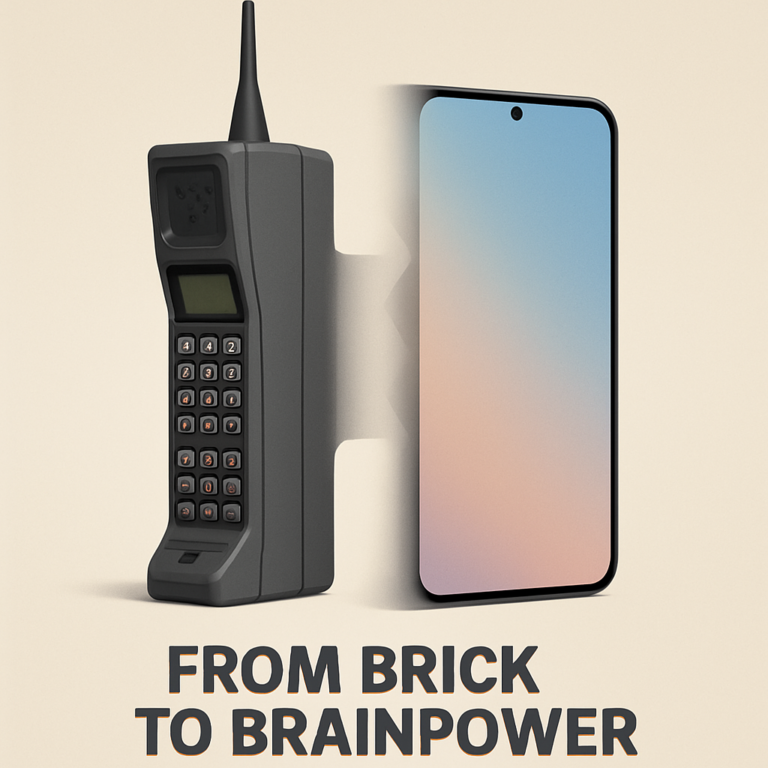
The concept of portable communication devices can be traced back to the early 20th century, but it wasn’t until 1973 that the first handheld mobile phone made its debut. Martin Cooper, a Motorola executive, made history when he placed the first public mobile phone call on a Motorola DynaTAC. This device, weighing nearly 2.5 pounds and offering just 30 minutes of talk time, set the stage for a revolution in communication.
The earliest mobile phones, often called cell phones due to their reliance on cellular network technology, were analog systems that provided basic voice communications. Coverage was limited, devices were bulky, and costs were significant, making mobile phones initially a status symbol rather than a ubiquitous tool.
The Rise of Digital Cell Phones
The transition from analog to digital technology in the 1990s marked a significant turning point for mobile phones. Digital cell phones offered clearer calls, increased network capacity, and improved security. This period saw the introduction of the Short Message Service (SMS), which would become a massively popular feature for exchanging short text messages.
Manufacturers began to miniaturize devices, increase battery life, and incorporate new features such as monochrome displays and games like Snake. By the late 1990s and early 2000s, mobile phones had become widely accessible, with millions of people around the world integrating them into their daily lives.
Introducing Smart Phones: Redefining the Mobile Experience
The early 2000s brought about another major leap: the emergence of smart phones. These devices blurred the lines between cell phones and personal digital assistants (PDAs), offering more than just voice communications. Smart phones featured advanced operating systems, color displays, and the ability to run a variety of applications.
One of the earliest examples was the IBM Simon Personal Communicator, introduced in 1994, which combined cellular functions with a touchscreen and limited application support. However, it was not until 2007, with the introduction of the Apple iPhone, that the smart phone truly entered the mainstream. The iPhone’s multi-touch interface, robust app ecosystem, and internet capabilities revolutionized the market. As Steve Jobs famously proclaimed, “Today, Apple is going to reinvent the phone.”
Android, Google’s open-source operating system, launched soon after, providing users and manufacturers more options and flexibility. Today, Android and iOS dominate the global smart phone landscape, each contributing to rapid innovation in hardware and software.
Key Features of Modern Smart Phones
Smart phones are now pocket-sized powerhouses that far surpass the capabilities of their ancestors. The modern smart phone typically includes:
– High-resolution touchscreens ranging from 5 to 7 inches
– Multi-core processors and advanced graphics chips
– Large amounts of RAM and internal storage
– High-quality cameras (some featuring multiple lenses and AI-powered enhancements)
– Advanced connectivity: 5G, Wi-Fi, Bluetooth, NFC
– GPS navigation and location-based services
– Mobile payment capabilities
– Access to millions of apps for productivity, entertainment, communication, and more
These features allow smart phones to function not just as communication devices but as cameras, navigation systems, music players, gaming consoles, health trackers, and portable computers.
The Social and Economic Impact of Mobile Phones
The widespread adoption of mobile phones and the proliferation of smart phones have had profound social and economic implications. Communication has become instantaneous and borderless, with billions of people connecting via calls, texts, and social media.
In emerging economies, mobile phones have facilitated new business models, increased access to education, and empowered individuals in remote or underserved areas. Mobile banking and digital wallet services have brought financial inclusion to millions, shifting the balance of economic power.
Mobile phones have also changed the way we consume news and media. Information is now available at our fingertips, transforming us all into participants in the global information ecosystem. According to a Pew Research Center study, “Mobile devices have fundamentally changed how and where we communicate.”
Mobile Phones in Daily Life
For many, mobile phones serve as a lifeline to friends, family, and the workplace. Features such as instant messaging, video calls, and social networking apps have made it easier than ever to stay connected, regardless of geographic boundaries.
Smart phones have reinvented daily tasks: ordering food, hailing a taxi, managing finances, and shopping online, all with a few taps. Innovations such as augmented reality, voice assistants, and biometric security continue to expand what’s possible.
The rise of smart phones has also brought forth the concept of the “mobile-first” world, where businesses design their products and services primarily for mobile access. Websites and applications are optimized for small screens, ensuring seamless user experiences on cell phones.
Challenges and Concerns
Despite their advantages, mobile phones and smart phones have introduced new challenges. Concerns surrounding privacy, data security, and digital addiction have become prominent. Smart phones often store sensitive personal information, making them attractive targets for cybercriminals.
The environmental impact of discarded cell phones, often laden with hazardous materials, is significant. E-waste generation is a critical issue, with millions of devices being replaced or discarded each year. Efforts to promote recycling and sustainable manufacturing are ongoing.
Another challenge is the digital divide: While mobile phone penetration is high globally, disparities still exist in access to smart phones and fast internet connections. Closing this gap is essential for ensuring equitable access to opportunities created by mobile technology.
The Future of Mobile Phones
Innovation in mobile phones shows no signs of slowing down. Foldable and flexible displays, AI-driven features, improved battery technologies, and even satellite connectivity are shaping the next generation of smart phones. With the rise of the Internet of Things (IoT), mobile devices are poised to become even more vital in managing our increasingly connected lives.
5G connectivity is expected to transform industries ranging from healthcare and transportation to entertainment and smart cities. Meanwhile, the march toward miniaturization and increased power continues, with manufacturers exploring new materials and form factors.
As we embrace advancements such as holographic displays, augmented/virtual reality integration, and more intuitive natural-language interfaces, smart phones will likely become an even more integral part of our digital identities.
Choosing the Right Mobile Phone
With an overwhelming array of options, selecting the right mobile phone can be challenging. Factors to consider include:
– Operating System: iOS offers a curated, secure environment, while Android provides customization and choice.
– Hardware: Consider processing power, camera quality, battery life, and durability.
– Pricing: Budget-friendly options coexist with premium flagship devices.
– Software Support: Timely updates ensure security and access to new features.
– Brand Ecosystem: Some users prefer to stay within a single brand’s ecosystem for integration with laptops, tablets, and IoT devices.
Assessing personal needs and preferences is key, as is keeping an eye on emerging technologies that may impact future usage.
Conclusion
Over the past four decades, mobile phones have evolved from cumbersome devices for the few to indispensable smart phones for the many. Their influence on communication, commerce, culture, and society is vast. As technology continues to accelerate, the boundaries of what mobile phones can do will only expand, shaping the future in ways we are only beginning to imagine.
In the words of Martin Cooper, “People want to talk to other people — not to a house, or an office, or a car. Given a personal communications device, the people will take it anywhere.” Today, that vision is a reality, and the journey of mobile and smart phones is far from over.
