
The Evolution of Mobile Phones: From Simple Devices to Smart Companions
Over the past few decades, the way we communicate and interact with technology has transformed dramatically, largely thanks to the rise of mobile phones. What began as bulky, basic call-making devices has evolved into highly sophisticated smart phones, seamlessly integrating into our daily lives. Mobile phones are now powerful multi-tools that not only connect us to the world but also change the way we work, learn, and entertain ourselves. This article delves deeply into the world of mobile phones, exploring their history, technological advancements, types, features, and their impact on society.
The Origins of Mobile Phones
The inception of mobile phones dates back to the mid-20th century. The first handheld cell phone was demonstrated by Motorola engineer Martin Cooper in 1973. Before this, mobile communication was primarily possible through car phones that relied on bulky equipment and limited, fixed networks.
The original mobile phones—commonly referred to as “brick phones”—were large, heavy, and had limited battery life. These early models could only make and receive calls. Text messaging, a feature we take for granted today, only became widely available in the 1990s, creating an entirely new layer of instantaneous, convenient communication.
The Evolution to Smart Phones
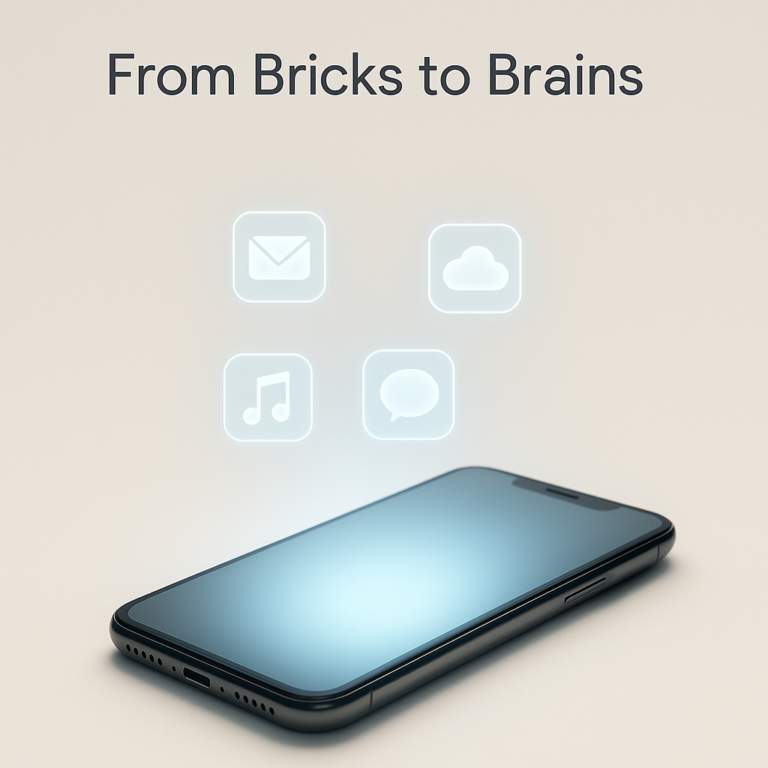
The real revolution in mobile phones began with the advent of smart phones. The term itself is used for cell phones that offer advanced functionality, often by incorporating the abilities of a personal computer. Early smart phones like the IBM Simon Personal Communicator (launched in 1994) were primitive by today’s standards, offering basic calendar, fax, and email features in addition to voice calls.
The landscape of mobile phones changed forever with the launch of Apple’s iPhone in 2007 and Google’s Android platform in 2008. These smart phones offered touchscreens, app stores, internet browsing, and high-resolution cameras, transforming the device into a pocket-sized computer. According to Martin Cooper, “The cell phone has become the world’s most widely used technology and the fastest-growing technology in history.”
Types of Mobile Phones: Basic, Feature, and Smart Phones
The world of mobile phones can broadly be categorized into three segments: basic phones, feature phones, and smart phones.
Basic phones are simple devices focused on voice calling and sometimes texting. They have long battery life and sturdy construction, making them ideal for users who need a reliable communication tool without the complexities and distractions of internet-enabled devices.
Feature phones add some multimedia and internet capabilities but do not provide the advanced functionalities or app ecosystems of smart phones. They may include basic cameras, music players, and simple games.
Smart phones, on the other hand, are truly transformative. They combine advanced processing power, large touchscreens, high-quality cameras, and access to millions of apps, making them indispensable in modern society.
Key Features of Modern Smart Phones
Today, smart phones can perform a dizzying array of tasks that once required numerous separate gadgets and services. Some essential features include:
– **Touchscreen Displays:** Offering vibrant, high-resolution visuals for everything from communication to gaming and video.
– **Powerful Processors:** Enabling real-time multitasking, gaming, and productivity.
– **High-Quality Cameras:** Replacing traditional cameras for many users, with some smart phones offering professional-grade photography and videography.
– **App Stores:** Providing access to millions of apps for business, entertainment, health, social networking, and more.
– **Internet Connectivity:** 4G and 5G mobile networks allow for instant communication, streaming, and browsing from virtually anywhere.
– **Biometric Security:** Features like fingerprint and facial recognition provide strong device security.
– **GPS and Navigation:** Helping users find directions and location-based services without the need for separate GPS devices.
Moreover, modern smart phones are more than just communication tools. They facilitate banking, shopping, learning, and remote work, making them vital for today’s fast-paced world.
The Impact of Mobile Phones on Society
Mobile phones, particularly smart phones, have redefined almost every aspect of social and professional life. Here are some key areas where their influence is most profound:
**1. Communication**
Smart phones have revolutionized the way we connect. Instant messaging, video calls, and social media platforms have turned the world into a global village, enabling real-time communication across continents.
**2. Business and Productivity**
Mobile phones drive the modern workplace. With business communication apps, file sharing, and productivity tools, professionals can work from anywhere, anytime. Remote work and the gig economy have flourished due to mobile connectivity.
**3. Information Access**
Smart phones provide unprecedented access to knowledge. With just a few taps, users can search for information, take online courses, and stay up-to-date with the latest news.
**4. Entertainment**
From streaming video and music to immersive gaming experiences, smart phones have become portable entertainment centers, often replacing televisions, stereos, and gaming consoles.
**5. Social Interaction and Community Building**
Social media platforms accessed via cell phones have fundamentally changed how people interact, make friends, and organize communities.
**6. Health and Wellness**
Smart phones enable digital health solutions. Users can monitor their fitness, manage chronic conditions, and even consult with doctors remotely via telemedicine apps and wearable integrations.
Technological Milestones in Mobile Phones
Several technological advancements have propelled mobile phones forward:
– **Miniaturization:** Thanks to advances in microprocessors and battery technology, mobile phones have become thinner, lighter, and more powerful.
– **Touch Technology:** Capacitive touchscreen technology made smart phone displays more responsive and user-friendly.
– **Camera Advancements:** Computational photography now combines software and hardware to produce stunning photos, even in challenging conditions.
– **Wireless Charging and Fast Charging:** Users can now power their phones quickly and conveniently.
– **Artificial Intelligence:** AI powers features like voice assistants, smart photography, and predictive text.
Choosing the Right Mobile Phone
The sheer variety of mobile phones available today can be overwhelming. Here are some key factors to consider:
– **Operating System:** The main choices are Apple’s iOS and Google’s Android, each with its own strengths and ecosystem.
– **Camera Quality:** For photography enthusiasts, advanced camera tech and multiple lenses can be crucial.
– **Battery Life:** Users who are always on the move should opt for models with long-lasting batteries.
– **Processing Power and Memory:** Important for gaming, multitasking, and future-proofing your purchase.
– **Build Quality and Durability:** Water resistance, tough glass, and sturdy construction enhance longevity.
– **Budget:** Feature phones and entry-level smart phones provide great value, while flagship models offer the latest technology at a premium.
Mobile Phones and the Environment
As indispensable as mobile phones have become, their rapid turnover creates environmental challenges. E-waste is a growing concern, with billions of discarded cell phones piling up yearly. Manufacturers are adopting more eco-friendly materials, promoting recycling, and offering trade-in programs to reduce their environmental impact. Conscious consumers are encouraged to recycle their old mobile phones and choose brands committed to sustainability.
The Future of Mobile Phones
Mobile phones are poised for even greater innovation. Foldable and flexible displays are already changing form factors, offering tablet-sized screens that fit in your pocket. Advances in 5G technology promise faster speeds, lower latency, and more immersive experiences, including augmented and virtual reality. Artificial intelligence will make phones smarter, anticipating user needs and offering personalized experiences.
Experts envisage a world where mobile phones, wearables, and smart devices work seamlessly together to form a unified digital ecosystem. As technology evolves, mobile phones will continue to be at the forefront, driving innovation and keeping us connected to the world—and each other.
As Bill Gates once remarked, “The cell phone is becoming the remote control for our lives.” As we look to the future, this sentiment rings truer than ever, underscoring the mobile phone’s central role in shaping our digital and social landscape.
