
Mobile Phones Info: Understanding the World of Smart Phones and Cell Phones
The Evolution of Mobile Phones: From Basic Communication to Smart Devices
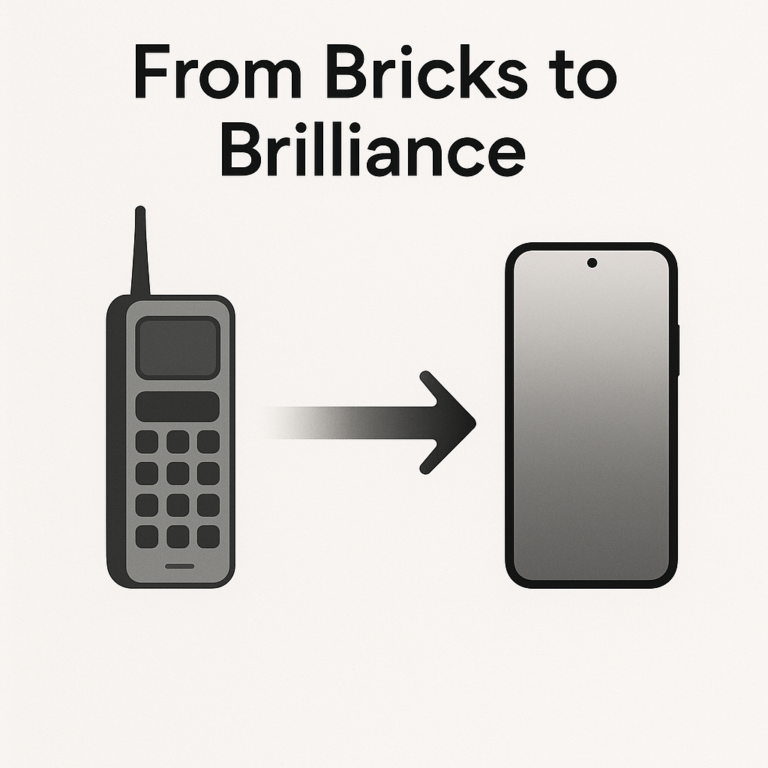
The journey of mobile phones, or cell phones as they are often called in the United States, is a remarkable tale of technological advancement, societal transformation, and innovation. The first commercially available mobile phone, the Motorola DynaTAC 8000X, was introduced in 1983 and weighed almost two pounds. Its only features were the ability to make and receive calls, with a battery life that barely lasted 30 minutes of talk time. Today, modern smart phones are powerful mini-computers, combining functions of a phone, camera, music player, GPS, and much more, all in the palm of your hand.
The progress from basic mobile phones to advanced smart phones has taken less than four decades, a testament to the relentless pace of innovation in mobile technology. In the early 2000s, mobile phones were primarily used for voice calls and text messaging. With the introduction of Symbian and BlackBerry operating systems, cell phones started incorporating email and rudimentary web browsing capabilities. However, the real transformation came with the launch of the Apple iPhone in 2007, widely regarded as the first true smart phone. It introduced a multi-touch interface, a robust app ecosystem, and seamless internet connectivity, revolutionizing the way we interact with our devices.
Understanding the Difference: Mobile Phones vs. Smart Phones vs. Cell Phones
It is common to hear the terms “mobile phones,” “smart phones,” and “cell phones” used interchangeably, but they have distinct meanings. “Mobile phone” is a general term for a portable telephone that can make and receive calls over a radio frequency link while moving within a service area. “Cell phone” is the American term for a mobile phone, referencing the network of “cells” or areas covered by individual transmitter towers. “Smart phone,” on the other hand, refers to a more advanced mobile phone with the capability to run sophisticated applications, send and receive emails, access the internet, and perform a variety of tasks that go beyond simple communication.
A mobile phone becomes a smart phone when it includes an operating system—like Android or iOS—that supports application software. In other words, all smart phones are mobile phones, but not all mobile phones qualify as smart phones.
Key Features and Capabilities of Modern Smart Phones
Modern smart phones are defined by a convergence of functions, offering features that were once the domain of separate devices. These features include:
1. High-Resolution Touchscreens: Most smart phones use large, vibrant displays that respond to touch, enabling intuitive interaction.
2. Camera Technology: With multiple lenses, high megapixels, and AI-powered enhancements, today’s smart phones serve as primary cameras for millions, rivaling dedicated digital cameras.
3. Connectivity: Whether it’s Wi-Fi, Bluetooth, NFC, or 5G, smart phones are designed to stay connected for data transfer, internet browsing, and interacting with other devices.
4. Application Ecosystem: App stores enable users to download a wide range of applications, from productivity tools and games to health trackers and finance management software.
5. Multimedia: Support for high-quality audio and video playback has turned smart phones into portable entertainment hubs.
6. Security: Features such as face recognition, fingerprint sensors, and robust encryption safeguard user data.
7. Navigation: Built-in GPS modules provide accurate turn-by-turn navigation and location-based services.
8. Battery and Power Management: Fast charging, wireless charging, and power-saving modes address the demands of power-hungry applications and displays.
“Mobile phones have evolved from being a luxury to an absolute necessity in today’s fast-paced world,” observes Sundar Pichai, CEO of Google. The roles and expectations of mobile phones have expanded exponentially in just a few years.
The Global Impact of Cell Phones on Society
The proliferation of cell phones has significantly altered human communication, economics, and even politics. According to GSMA’s Mobile Economy report, there were over 5.3 billion unique mobile subscribers worldwide in 2022. This ubiquity has profound consequences:
1. Communication: Mobile phones enable instant connectivity, making distance and geography almost irrelevant. Messaging apps allow seamless real-time conversations globally.
2. Economic Empowerment: Mobile banking, e-commerce, and financial inclusion initiatives have empowered millions of unbanked individuals in developing countries. Services like M-Pesa in Kenya have become lifelines for communities with limited access to traditional banking.
3. Education: In many parts of the world, smart phones offer access to educational content, remote learning, and digital classrooms, bridging the gap in regions lacking infrastructure.
4. Social Movements: Cell phones facilitate the rapid spread of information, organizing protests, raising awareness, and mobilizing support through social media and messaging platforms.
5. Health: Mobile phones play a crucial role in telemedicine, health tracking, and emergency services, especially in remote or underserved areas.
Mobile Phones: The Battle of Operating Systems
The smart phone ecosystem is primarily dominated by two operating systems: Google’s Android and Apple’s iOS. Android powers the devices of manufacturers such as Samsung, Oppo, Xiaomi, and OnePlus, while iOS is exclusive to Apple devices.
– Android: It is the world’s most popular mobile operating system, known for its customization, open-source flexibility, and wide range of devices at all price points.
– iOS: Renowned for its smooth integration with Apple’s hardware and software, iOS offers a user-friendly experience, robust security, and access to a high-quality app ecosystem.
Competition between these platforms has fostered continuous innovation, from camera advancements to artificial intelligence and augmented reality.
The Future of Smart Phones: Trends to Watch
The future of smart phones is shaped by exciting technologies and user demands:
1. Foldable and Flexible Displays: Companies like Samsung and Huawei have introduced foldable smart phones that combine the portability of a phone with the screen real estate of a tablet.
2. Artificial Intelligence: AI now powers everything from voice assistants like Siri and Google Assistant to smarter cameras and personalized app recommendations.
3. 5G Connectivity: The global rollout of 5G networks promises exponentially faster internet, low latency, and the potential for innovative applications in gaming, augmented reality, and the Internet of Things.
4. Sustainable Manufacturing: Growing consumer demand for eco-friendly products pushes manufacturers to adopt recyclable materials, energy-efficient processes, and longer-lasting devices.
5. Health and Wellness: Smart phones increasingly integrate health monitoring sensors (for heart-rate, SpO2, sleep patterns) and health-related apps.
6. Satellite Connectivity: Some new models from Apple and other manufacturers feature emergency satellite connectivity, allowing text communication in areas without cellular coverage.
Concerns and Challenges: The Double-Edged Sword of Mobile Phones
While mobile phones offer unprecedented convenience, they present notable challenges:
– Privacy and Security: Data breaches, surveillance, and rogue apps threaten user privacy.
– E-Waste: The rapid obsolescence of devices contributes to mounting electronic waste problems worldwide.
– Digital Addiction: Constant notifications and social media exposure can lead to dependence and mental health concerns.
– Digital Divide: Despite widespread adoption, millions still lack access to reliable mobile phone service.
Efforts by governments, NGOs, and manufacturers aim to address these concerns—through legislation, recycling programs, and investments in affordable technologies.
Buying a Mobile Phone: What Should You Consider?
Before purchasing a new mobile phone or smart phone, consider the following criteria:
1. Budget: Decide on a price range that suits your needs—flagship, mid-range, or budget.
2. Operating System: Choose between Android and iOS based on familiarity, app ecosystem, and integration with other devices.
3. Camera Quality: Look for specifications that align with your photography needs—megapixels, aperture, features.
4. Battery Life: Review real-world usage reports and battery capacity in milliampere-hours (mAh).
5. Software Updates: Opt for a phone with a good track record of timely software and security updates.
6. Design and Durability: Water resistance, build quality, weight, and screen size all impact usability.
7. Storage: Consider your needs for internal storage and the possibility of expansion with microSD cards.
8. Network Compatibility: Ensure your device supports the LTE/5G bands and carriers in your region.
The Mobile Phone’s Journey Is Far from Over
Mobile phones have become integral to everyday life, work, and play. As the lines between devices blur and technology continues to evolve, the mobile phone’s role in our lives will only expand. Whether you refer to them as mobile phones, smart phones, or cell phones, their ability to connect, empower, and enrich lives remains unmatched in the modern world.
As Marta Kwiatkowska, a leading computer scientist, once said, “The mobile phone is the world’s most ubiquitous technology.” The coming decade promises even more breakthroughs, with smart phones at the center of our digital universe—a journey that has only just begun.
