
The Evolution of Mobile Phones: From Brick to Smart Companion
Mobile phones have come a long way since their inception, evolving from hefty communication devices used by a select few to indispensable smart phones that have woven themselves into the fabric of everyday life. Today, cell phones not only connect us through calls and messages but also serve as our personal organizers, entertainment hubs, fitness trackers, and even payment systems. The transformation of mobile phones is one of the most significant technological advancements of the late 20th and early 21st centuries, reflecting both rapid innovation and profound social change.
The Birth of Mobile Communication
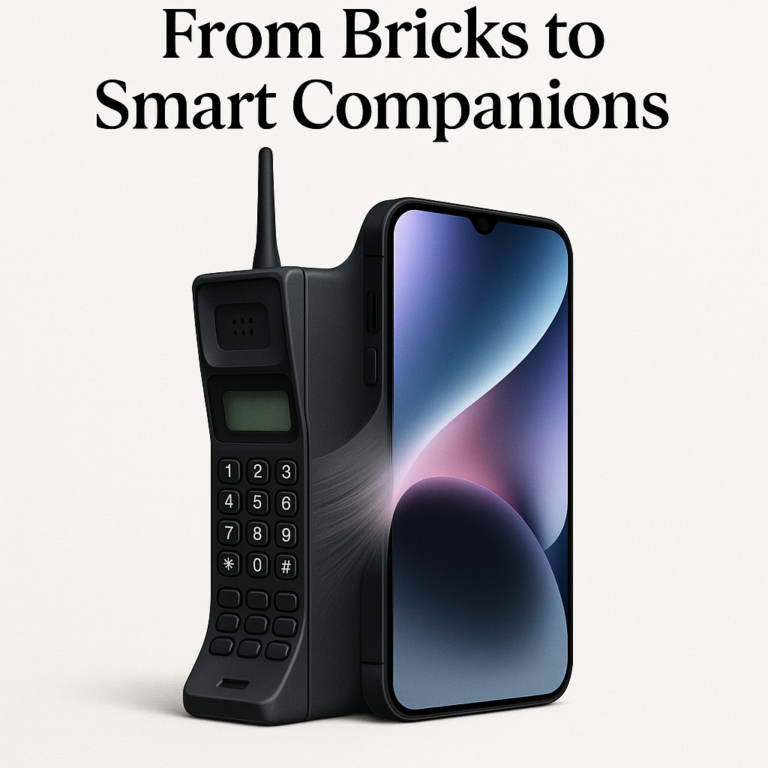
The journey of mobile phones began in the early 1980s, with the introduction of cellular networks that allowed the birth of true portable telephony. The Motorola DynaTAC 8000X, released in 1983, is widely recognized as the world’s first commercial mobile phone. Weighing nearly two pounds and offering only 30 minutes of talk time, it was a symbol of cutting-edge technology—and exclusivity. These early cell phones were often described as “bricks” due to their size, weight, and limited battery life.
Despite their shortcomings, these early devices fueled a dream: to make telephony truly personal and accessible anywhere. The concept of being contactable regardless of location sparked the rapid growth of mobile communications. Over the next decade, cell phones got smaller, more affordable, and more widely available, eventually moving from luxury items to status symbols, then to everyday essentials.
The Rise of Smart Phones
The term “smart phone” entered the public consciousness in the late 1990s and early 2000s with devices that combined telephony with computing capabilities. The IBM Simon, launched in 1994, is sometimes credited as the first ever smart phone, integrating cellular technology with a touch screen, the ability to send emails and faxes, and even featuring sketch pads and address books.
However, it wasn’t until the launch of the iPhone by Apple in 2007 that the trajectory of mobile phones changed forever. The iPhone’s touch interface, intuitive operating system, and the App Store ecosystem set new standards and expectations for what smart phones could achieve. Android devices quickly followed, creating a competitive landscape that spurred a rapid cycle of innovation and improvement.
Today, modern smart phones serve as powerful handheld computers, often surpassing the performance of laptops from just a decade ago. They offer features such as high-resolution cameras, biometric security, health monitoring, virtual assistants, and seamless integration with other smart devices. According to a report by Statista, more than 6.8 billion people worldwide own a smart phone as of 2023—an astonishing statistic that speaks to their global ubiquity.
Key Innovations in Mobile Phone Technology
The relentless march of progress in mobile phone technology is marked by a series of innovations that have dramatically changed the way we live and communicate. Some of the most notable include:
1. **Touchscreen Interfaces:** The move from physical keypads to capacitive and later OLED touchscreens transformed the way users interact with their devices, enabling the smooth, gesture-based navigation that is characteristic of modern smart phones.
2. **Mobile Internet:** The rise of 3G and subsequently 4G/LTE networks made it possible for mobile phones to access the internet at broadband speeds. This opened the door to streaming video, social media, cloud storage, and a vast universe of mobile apps.
3. **Camera Technology:** From grainy VGA cameras to today’s multi-lens setups featuring AI enhancements, mobile phone cameras have revolutionized photography, democratizing the ability to capture and share images instantly. As professional photographer Chase Jarvis famously said, “The best camera is the one that’s with you.”
4. **App Ecosystems:** The creation of app stores unleashed the power of third-party development, allowing entrepreneurs and companies to invent new services and experiences. From banking to gaming, productivity tools to meditation trackers, the versatility of smart phones is defined largely by their apps.
5. **Security:** Biometric authentication—from fingerprint scanners to facial recognition—has made cell phones more secure than ever before, protecting personal data in an age of increasing digital threats.
Mobile Phones and Society: Changing the Way We Live
The omnipresence of mobile phones has reshaped social interactions, business practices, and even cultural norms. It is estimated that the average person checks their smart phone over 150 times a day, underlining the depth of their integration into daily routines.
* **Communication:** The ability to connect instantly through calls, texts, and social media has bridged distances and facilitated relationships across continents. Live video calls have made global communications personal and immediate, and messaging apps allow for such rich, multimedia interactions that they have become cultural phenomena in their own right.
* **Productivity and Mobility:** Mobile phones allow people to work from virtually anywhere. With email, document editing, calendars, and cloud-based collaboration tools, professionals can manage their workload on the go. This has led to the rise of remote and flexible work arrangements, further blurring the boundaries between work and personal life.
* **Entertainment and Media Consumption:** Streaming services, podcasts, e-books, and games are now readily available in the palms of our hands. For many, smart phones are now the primary device for consuming news and media, often surpassing traditional television and print outlets.
* **Health and Wellness:** Mobile phones have also made significant inroads into health and wellness. Fitness tracking, sleep monitoring, meditation guides, and telemedicine apps are helping people manage their health more proactively.
* **Education:** With educational apps, e-books, and access to information, smart phones play a growing role in lifelong learning. During the COVID-19 pandemic, mobile phones proved essential tools for students and educators, facilitating remote learning through video calls and interactive platforms.
The Future of Mobile Phones
As we look ahead, the pace of innovation in mobile phones shows no sign of slowing. Foldable screens, 5G connectivity, and augmented/virtual reality are just some of the technologies redefining what cell phones can do. The integration of artificial intelligence is powering smarter voice assistants and personalized experiences, while sustainability concerns are prompting manufacturers to develop more eco-friendly materials and production processes.
Biometric sensors are likely to get even more advanced, while innovations such as satellite calling and quantum encryption may one day become commonplace. As smart phones become even more deeply woven into digital ecosystems—connecting to smart homes, vehicles, and wearable technology—the potential for new uses continues to expand.
According to Satya Nadella, CEO of Microsoft, “The future of mobile is the future of online. It is how people access online content now.” This underscores a key point: as much as mobile phones are hardware devices, they are now pathways to the larger digital universe.
The Social and Ethical Considerations
While the benefits of cell phones are evident, they also raise important social and ethical questions. Concerns about data privacy, screen time addiction, cyberbullying, and the digital divide are growing. The sheer volume of information accessible via smart phones can be both empowering and overwhelming, requiring critical thinking and digital literacy skills.
Manufacturers and policymakers are being called upon to address these challenges, promoting responsible usage, better privacy controls, and equitable access to technology.
Conclusion: The Essential Gadget of Our Times
From their humble beginnings as oversized portable phones to today’s sleek, multifunctional smart phones, mobile devices have utterly transformed the way we communicate, work, learn, and play. As technology continues to advance, the next chapter in the story of mobile phones will undoubtedly bring new breakthroughs and unforeseen challenges. One thing is certain: cell phones will remain at the heart of our connected world, shaping the way we experience life in the digital age.
