
The Evolution of Mobile Phones: From Simple Communication to Smart Innovation
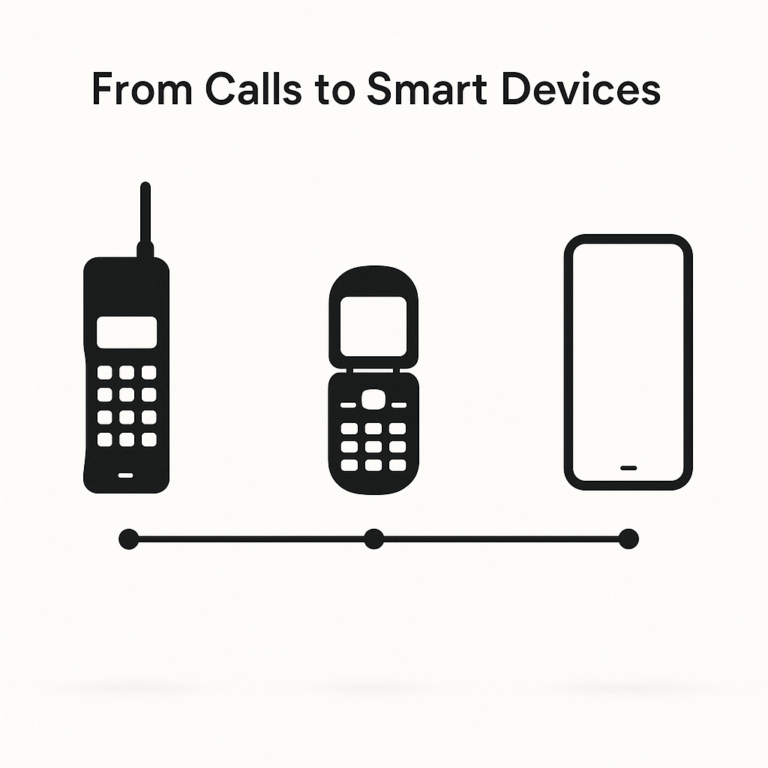
Over the past several decades, mobile phones have transcended their original purpose of voice communication and have evolved into powerful gadgets that shape our daily lives. The progression from classic cell phones to sophisticated smart phones has not only changed how we communicate but also how we work, study, and entertain ourselves. In this article, we explore the history, technology, and societal impact of mobile phones, highlighting their growing significance in the modern world.
The Origins: Birth of the Cell Phone
The story of mobile phones begins in the mid-20th century. The first real breakthrough occurred in 1973, when Martin Cooper, a Motorola engineer, made the inaugural mobile phone call on a prototype device. These early cell phones were bulky, weighing over two pounds, and could only sustain a short talk time. Despite their limitations, the notion of wireless telephony ignited public imagination and paved the way for rapid advancements in mobile technology.
By the 1980s, analog cell phones became commercially available, primarily targeting business users who valued mobility above all else. The Motorola DynaTAC, released in 1983, became an iconic symbol of this era. These first-generation (1G) mobile phones used analog signals for voice transmission, and coverage was initially limited to urban areas.
Cell Phones Become Mainstream
The 1990s marked a turning point for cell phones. Digital technology replaced analog systems, giving rise to the second generation (2G) of mobile phones. This leap introduced several important enhancements: text messaging (SMS), better call quality, and improved security. Nokia, Ericsson, and Motorola led the market, offering smaller, lightweight devices that became more affordable for the average consumer.
Suddenly, cell phones were no longer status symbols but everyday necessities. With the ability to store contacts, send text messages, and play games like Snake, these devices became intricately woven into daily routines. The arrival of prepaid plans further democratized mobile ownership, enabling users to control costs and usage.
The Rise of Smart Phones: A New Digital Era
While cell phones had become indispensable tools for communication, another transformation loomed on the horizon. In 1994, IBM introduced the Simon Personal Communicator, often hailed as the first smart phone. It combined cellular capabilities with PDA functions like email, fax, and a touchscreen interface—a revolutionary concept at the time.
The smart phone revolution truly gained momentum with the launch of BlackBerry devices in the early 2000s. Renowned for secure and reliable email communication, BlackBerry became the device of choice for professionals and executives worldwide. However, the landscape shifted dramatically in 2007 when Apple unveiled the first iPhone. With its sleek design, multitouch display, and access to a digital ecosystem (the App Store), the iPhone set new benchmarks for what smart phones could achieve.
Today, platforms like iOS and Android dominate the market, powering devices from Apple, Samsung, Google, and many others. Modern smart phones are sophisticated computers in our pockets, enabling video calls, photography, gaming, virtual assistants, GPS navigation, and so much more.
Technological Advancements in Mobile Phones
The evolution of mobile phones is intricately linked to technological breakthroughs. Several key areas highlight this progress:
1. **Display Technology:** From monochrome screens to vivid OLED and AMOLED displays, advancements in screen technology have made visuals crisper and more immersive. Bezel-less designs and high refresh rates have also improved the user experience.
2. **Camera Innovations:** Mobile photography has become a defining feature of smart phones. Dual, triple, and even quad-camera setups, along with high-resolution sensors and artificial intelligence, allow users to take professional-grade photos and videos.
3. **Connectivity:** The progression from 2G to 3G, 4G LTE, and now 5G networks has exponentially increased data speeds and reliability. 5G, in particular, supports rapid downloads, seamless video streaming, and new possibilities for the Internet of Things (IoT).
4. **Processing Power:** Modern cell phones are powered by advanced chipsets and processors, often rivaling laptops in performance. This has enabled complex applications, real-time gaming, and multitasking on a tiny device.
5. **Battery Life and Charging:** Fast charging, wireless charging, and more efficient batteries have addressed one of the original pain points of mobile devices, allowing users to stay connected for longer.
6. **Security Features:** Fingerprint scanners, facial recognition, and encryption technologies have made smart phones more secure, safeguarding sensitive data from unauthorized access.
Mobile Phones: Catalysts for Social Change
Mobile phones have fundamentally altered how society communicates and interacts. According to a Pew Research Center report, over 85% of adults in developed countries own a smart phone, and the number continues to rise globally. This widespread adoption has several far-reaching consequences:
– **Communication:** Instant messaging apps, social media, and video calling have broken down geographic barriers, making it easier for people to stay in touch regardless of location.
– **Business and Productivity:** Smart phones have become indispensable tools for professionals, offering email access, collaborative software, and the ability to work remotely.
– **Education:** Mobile devices facilitate virtual learning environments, access to educational resources, and opportunities for lifelong learning.
– **Entertainment:** Streaming music, movies, podcasts, and games turn smart phones into versatile entertainment hubs.
– **Healthcare:** Mobile health apps enable users to monitor fitness, schedule appointments, and access telehealth services.
“Mobile phones have become an extension of ourselves, blurring the line between physical and digital interaction,” noted technology expert Marissa Mayer.
The Economic Impact of Smart Phones
The mobile phone industry is a powerhouse of the global economy. With over 1.5 billion smart phones sold annually worldwide, the market for these devices fuels growth in manufacturing, logistics, app development, and accessory production. App stores on iOS and Android have also spurred an entire ecosystem of developers, creating jobs and revenue streams for millions of people.
Furthermore, mobile phones facilitate mobile banking and digital payments, driving financial inclusion in developing regions where traditional banking infrastructure is limited. This democratization of access is transforming global commerce and reducing poverty rates.
Challenges and Controversies
Despite their advantages, cell phones raise complex issues:
– **Privacy:** Data collection and surveillance by apps and third parties have raised concerns about user privacy and consent.
– **Addiction:** The addictive nature of smart phones and social media can lead to mental health issues, particularly among young people.
– **E-Waste:** Rapid technological cycles contribute to electronic waste, as consumers routinely upgrade devices and discard old ones.
Policymakers, manufacturers, and users must collaborate to address these challenges, ensuring that mobile technology benefits society without compromising well-being or the environment.
The Future of Mobile Phones
As we look to the future, mobile phones continue to evolve at an unprecedented pace:
– **Foldable Displays:** Manufacturers are experimenting with foldable and flexible screens, offering both compact and expansive viewing experiences in a single device.
– **Augmented Reality (AR):** Smart phones are increasingly supporting AR applications, blending digital information with the physical world for gaming, navigation, and learning.
– **Artificial Intelligence:** AI-driven features—like voice assistants, predictive text, and enhanced image processing—will become more deeply integrated into mobile experiences.
– **Health Monitoring:** Embedded sensors and partnerships with healthcare providers are turning mobile phones into powerful health monitoring tools.
Choosing the Right Mobile Phone
With an overwhelming range of options, choosing a mobile phone can be daunting. Consider these tips when selecting a device:
1. **Identify Priorities:** Assess whether camera performance, battery life, processing speed, or software variety is most important for your needs.
2. **Budget:** Entry-level cell phones offer robust features at affordable prices, while flagship smart phones boast cutting-edge technology at a premium.
3. **Platform Preference:** The choice between iOS and Android depends on ecosystem familiarity, app availability, and integration with other devices.
4. **Longevity and Support:** Opt for manufacturers that provide regular software updates and robust after-sales support.
Conclusion: Mobile Phones at the Core of Modern Life
From their humble beginnings as simple communication tools to their current role as indispensable smart devices, mobile phones have become fundamental to daily living. They connect us, educate us, entertain us, and empower us in countless ways. As technology continues to advance, these ever-evolving devices will undoubtedly play an even greater role in shaping the future of society and innovation. In the words of Steve Jobs, “Innovation distinguishes between a leader and a follower”—and when it comes to the evolution of mobile phones, innovation is the driving force that keeps the world connected.
