
The Evolution of Mobile Phones: From Simple Communication to Smart Companions
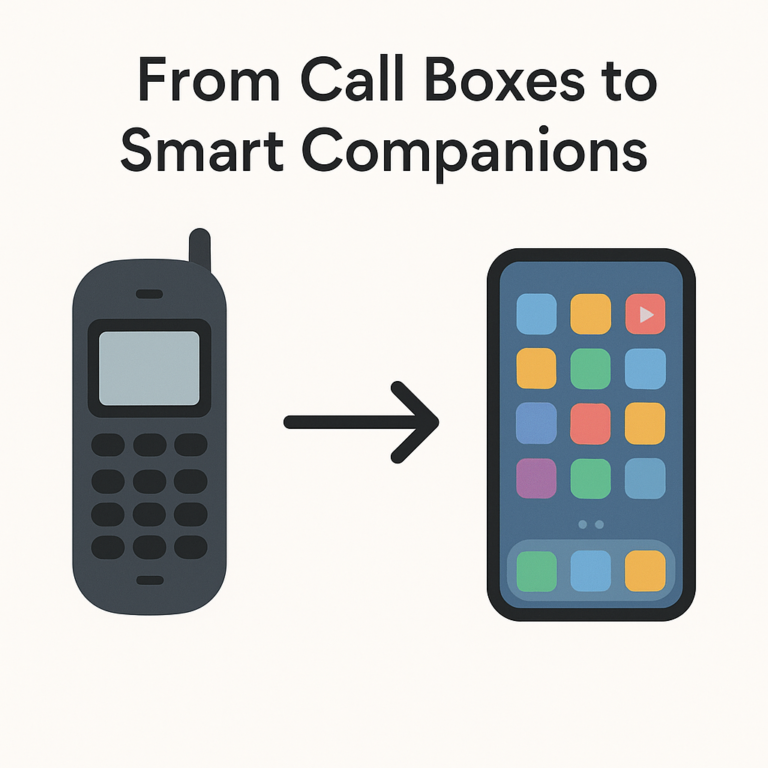
Mobile phones have revolutionized the way humans communicate, learn, entertain, and organize their lives. In less than half a century, what began as bulky, expensive portable telephones has morphed into the sleek, powerful smart phones familiar to billions worldwide. Today, mobile phones are not just tools for making calls; they’re indispensable devices central to modern living, bridging people, cultures, and information across the globe.
The Humble Beginnings: First Generation Cell Phones
The story of mobile phones begins in the early 1970s. Martin Cooper, an engineer at Motorola, made history in 1973 by making the first call on a handheld mobile phone. His DynaTAC prototype was hardly what anyone today would consider portable— it weighed nearly 2.5 pounds (1.1 kg) and offered only 30 minutes of talk time after a ten-hour charge. These early cell phones were seen as luxury items, typically reserved for business executives or the wealthy due to their high cost and limited reach.
The first generation (1G) of mobile phones were analog devices, capable only of voice communication. Car phones and early handhelds connected to towers using a system that often suffered from interference, poor sound quality, and a lack of privacy. Nevertheless, their promise of freedom from fixed lines captivated the public imagination and set the stage for future innovation.
The Digital Revolution: Towards Smart Phones
With the advent of the 1990s came the second generation (2G) cell phones. Employing digital networks, these devices improved call clarity, allowed text messaging (SMS), and offered enhanced battery life. The introduction of the Short Message Service revolutionized personal communication—people could now pass hurried notes without speaking, a precursor to the instant messaging of today.
By the turn of the millennium, mobile phones had become smaller, lighter, and equipped with new features. The launch of 3G technology brought faster data speeds, enabling users to access emails, browse the web, and download small apps. Popular models such as Nokia’s 3310 or Motorola’s RAZR became cultural phenomena in their own right. Yet, these were still far removed from the computational power and versatility that smart phones would deliver.
The term “smart phone” took shape in the early 2000s with devices like the BlackBerry and the Palm Treo. These combined telephony, email, calendars, and Internet access in a single gadget—a productivity boon for professionals. However, user interfaces remained complex, web browsing was rudimentary, and the market was relatively niche.
The Smartphone Era: A Digital Renaissance
The turning point arrived in 2007 with the introduction of the Apple iPhone. Steve Jobs famously proclaimed that Apple was reinventing the phone, and he wasn’t exaggerating. The iPhone’s touch interface, large screen, and web browsing capabilities set a new standard. Soon after, Google’s Android system gave rise to a vast ecosystem of smart phones with myriad shapes, features, and price points.
Today’s smart phones are marvels of miniaturization and design. They boast multi-core processors rivaling laptops, cameras outperforming digital point-and-shoots, and expansive app stores offering functionality for nearly any task imaginable. According to a 2023 report by Statista, there were more than 6.7 billion smart phone users around the globe—nearly 84% of the world’s population. These devices offer 24/7 internet connectivity, GPS navigation, high-definition video recording, multiplayer gaming, and even health monitoring.
Key Features That Define Modern Mobile Phones
What truly sets modern mobile phones apart are their diverse and powerful features:
– **Touchscreens:** Sleek, responsive touch interfaces have replaced physical keyboards and buttons, allowing for dynamic, intuitive apps and navigation.
– **High-resolution Cameras:** Modern cell phones can shoot photos and videos in 4K, supported by multiple lenses for wide-angle, macro, night mode, and more.
– **Connectivity:** Support for WiFi, 5G cellular networks, Bluetooth, and NFC allows users to transfer information, stream media, and make contactless payments with ease.
– **App Ecosystems:** Platforms like the Apple App Store and Google Play have millions of apps, from productivity tools to entertainment and education.
– **Security Features:** Biometric sensors (fingerprint, facial recognition), encrypted messaging, and secure payment systems ensure privacy and data safety.
– **Personal Assistants:** AI-driven assistants like Siri, Google Assistant, and Alexa can answer queries, control devices, or even book appointments.
The Impact of Mobile Phones on Society
The ubiquity of smart phones has had profound effects on societies worldwide. Where landlines were once a household fixture, today whole populations leapfrogged directly to mobile connectivity, particularly in regions lacking established telecommunication infrastructure. Countries like India and many in Sub-Saharan Africa have seen economic transformation thanks to the advent of affordable cell phones.
Mobile phones have democratized access to information. Entire libraries, multimedia learning platforms, and news outlets are now a tap away. Social networks, inherently tied to and powered by mobile phone adoption, have forever altered how people form relationships, organize social movements, and express themselves. The rise of mobile-first e-commerce also means that many people make purchases, manage finances, and even work remotely entirely from their smart phones.
As author and academic Sherry Turkle observed, “We’re lonely but fearful of intimacy. Digital connections…may offer the illusion of companionship without the demands of friendship.” While mobile phones enable connection at unprecedented scales, they also introduce new social and psychological challenges.
Innovation on the Horizon: What’s Next for Smart Phones?
The pace of innovation in the world of mobile phones shows no sign of slowing. Foldable screens, augmented reality (AR), and artificial intelligence-driven features are reshaping how users interact with their devices. Flexible OLED displays, developed by companies like Samsung and Huawei, allow smart phones to fold out into tablets, offering both compact portability and large-screen productivity.
Developments in mobile computing are also bringing the promise of immersive AR experiences. Some predict that glasses or wearable displays, powered by smart phones, will blur the line between digital and physical worlds.
Battery technology is undergoing rapid change, with new materials and charging techniques promising faster, safer, and longer-lasting performance. Environmental concerns are also prompting manufacturers to use recycled materials, offer repairable designs, and extend software support cycles, making mobile phones more sustainable.
Addressing the Challenges of Mobile Phone Usage
Despite their many benefits, mobile phones present unique challenges. Privacy is at the forefront: smart phones collect vast amounts of personal data, from location to search histories and biometric identifiers. Governments and technology companies must grapple with how to protect this information from misuse, hacking, or surveillance.
Addiction and overuse are other issues. The modern mobile phone’s constant stream of notifications, social updates, and entertainment can make it difficult to disconnect, impacting sleep, productivity, and mental well-being. Responsible usage, backed by parental controls, usage monitoring tools, and digital wellness initiatives, are crucial to striking a healthy balance.
Choosing the Right Mobile Phone: What Matters?
For consumers, the vast array of choices in the smart phone market can be overwhelming. Things to consider include:
– **Operating System:** iOS (Apple) vs. Android, each with unique interfaces and app ecosystems.
– **Camera Quality:** For photography enthusiasts, more isn’t always better—features like optical zoom or image stabilization might be critical.
– **Performance:** RAM, storage, and processor speed affect everything from simple browsing to mobile gaming.
– **Durability:** Water resistance, build quality, and software update policies contribute to a phone’s longevity.
– **Price:** Entry-level cell phones are increasingly capable, but high-end flagships can cost as much as a good laptop.
Conclusion: The Essential Device of the Connected Age
From the first analog cell phones to the feature-rich smart phones of today, mobile phones have become the ultimate tool of human connection and creativity. They enable business, foster friendships, empower learning, and entertain billions. As the technology continues to evolve, mobile phones will undoubtedly remain at the center of global communication and innovation, shaping the way we live and interact for generations to come.
In the words of mobile phone pioneer Martin Cooper, “The cellphone has truly transformed the way people communicate, everywhere. It’s incredible to see just how quickly they’ve become an integral extension of ourselves.”
